

Plus, receive recommendations and exclusive offers on all of your favorite books and authors from Simon & Schuster.
Blood Red Road Trailer
To Escape, she will have to fight. To survive, she will have to lead. No Heart Beats Alone… This is the story of Saba.
LIST PRICE $12.99
PRICE MAY VARY BY RETAILER
Get 25% off with code NY2025, plus free shipping on orders of $40 or more. (Discount on physical product only, terms apply.)
Buy from Other Retailers
Table of Contents
About The Book
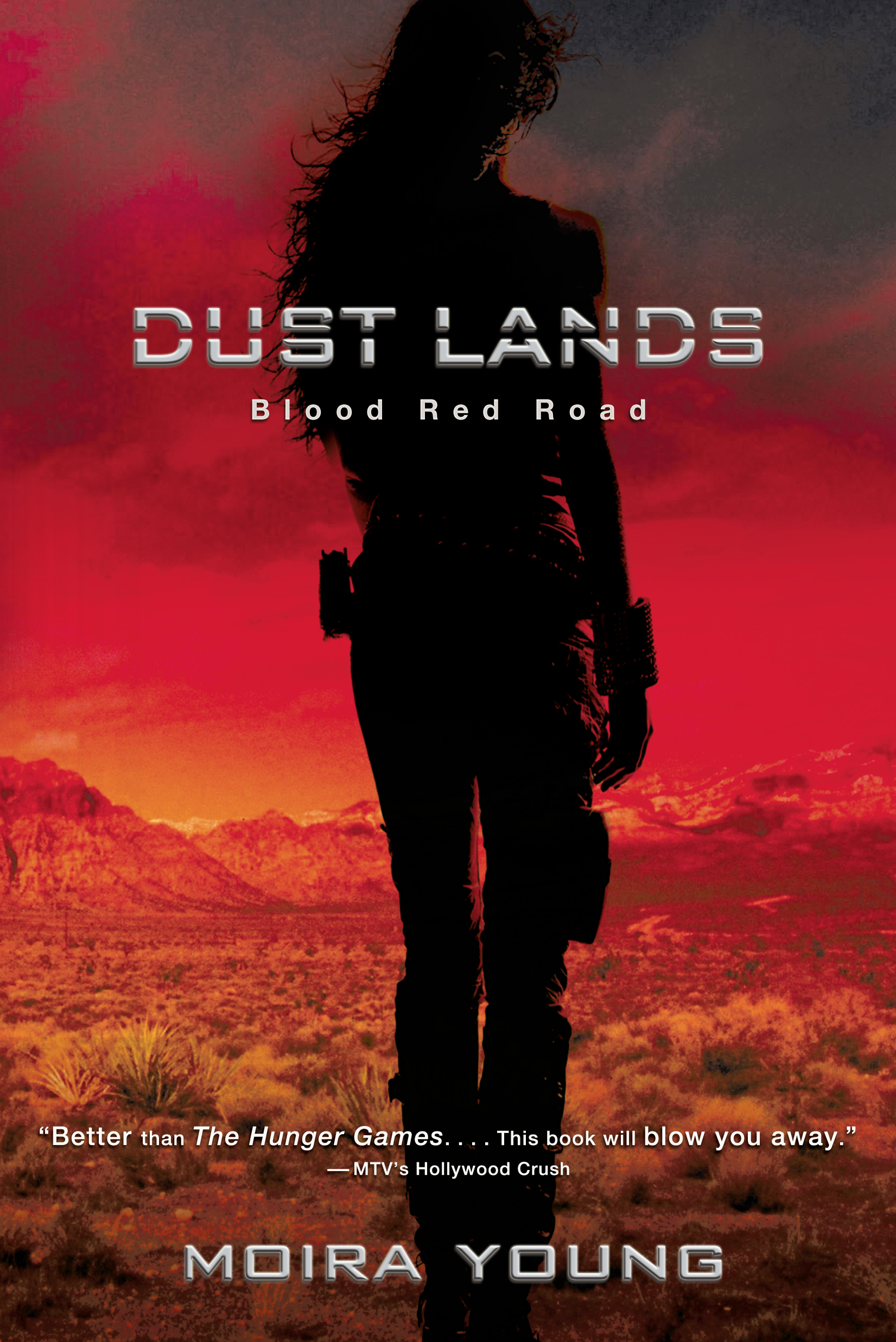
The book that will “blow you away”** has a dazzling new look in paperback!
Saba has spent her whole life in Silverlake, a dried-up wasteland ravaged by constant sandstorms. The Wrecker civilization has long been destroyed, leaving only landfills for Saba and her family to scavenge from. That's fine by her, as long as her beloved twin brother Lugh is around. But when four cloaked horsemen capture Lugh, Saba's world is shattered, and she embarks on a quest to get him back.
Suddenly thrown into the lawless, ugly reality of the outside world, Saba discovers she is a fierce fighter, an unbeatable survivor, and a cunning opponent. Teamed up with a handsome daredevil named Jack and a gang of girl revolutionaries called the Free Hawks, Saba’s unrelenting search for Lugh stages a showdown that will change the course of her own civilization.
Blood Red Road has a searing pace, a poetic writing style, and an epic love story—making Moira Young is one of the most exciting new voices in teen fiction.
Saba has spent her whole life in Silverlake, a dried-up wasteland ravaged by constant sandstorms. The Wrecker civilization has long been destroyed, leaving only landfills for Saba and her family to scavenge from. That's fine by her, as long as her beloved twin brother Lugh is around. But when four cloaked horsemen capture Lugh, Saba's world is shattered, and she embarks on a quest to get him back.
Suddenly thrown into the lawless, ugly reality of the outside world, Saba discovers she is a fierce fighter, an unbeatable survivor, and a cunning opponent. Teamed up with a handsome daredevil named Jack and a gang of girl revolutionaries called the Free Hawks, Saba’s unrelenting search for Lugh stages a showdown that will change the course of her own civilization.
Blood Red Road has a searing pace, a poetic writing style, and an epic love story—making Moira Young is one of the most exciting new voices in teen fiction.
Reading Group Guide
Get a FREE ebook by joining our mailing list today! Plus, receive recommendations for your next Book Club read.
By clicking 'Sign me up' I agree to the Terms of Use and acknowledge the Privacy Policy and Notice of Financial Incentive. Free ebook offer available to NEW US subscribers only. Offer redeemable at Simon & Schuster's ebook fulfillment partner. Must redeem within 90 days. See full terms and conditions and this month's choices.
A Reading Group Guide for:
Blood Red Road
By Moira Young
Pre-reading Questions:
1. To what extent should someone go to save a loved one?
2. Is one human life more valuable than another? Explain.
3. Discuss the idea of determining one’s own future versus the idea of one’s future being predetermined.
4. Are self-sacrifice and the human instinct to survive compatible? Explain.
Discussion Topics:
1. Saba lives with her father, sister, and twin brother in Silverlake. Describe the setting and the family living conditions.
2. How would you characterize Saba’s relationship with her father? With her brother, Lugh?
3. Who is Procter John and why does Saba’s father not like him?
4. What happens to Saba’s family that changes their lives?
5. Characterize Emmi. Why is Saba angry with Emmi? How does Saba work through her feelings for Emmi?
6. Saba and Emmi travel to Crosscreek to the house of a family friend, Mercy. Contrast the setting of Silverlake with the setting of Crosscreek. How does this contrast contribute to the mood of the story? What symbolism can you associate with the two settings?
7. How is Mercy’s name symbolic? How does she differ philosophically from Saba’s father?
8. Why does Mercy give Saba the heartstone, and why is it important to Saba?
9. Saba and Emmi are kidnapped by Rooster Pinch and Miz Pinch, who take both girls to Hopetown. Describe Hopetown. What role is Saba forced into while held cap- tive there? How does Saba grow/mature while there? What strength does she gain while there? What nickname does she earn and why?
10. Describe Saba’s initial encounter with Jack. What conflicting feelings does she have? What accounts for them? How do her feelings/attitude toward him evolve throughout the story?
11. Who are the Free Hawks and why do they want to assist Saba in escaping captivity?
12. Who are the Tonton? How does DeMalo not fit the tradi- tional Tonton mold?
13. What is chaal and what influence does it have over people living in Hopetown? In the Black Mountains?
14. Throughout the journey, Saba has resisted taking Emmi along. While a good case could be made that Emmi is too young to go along, why might the author have chosen to include her on the journey? Why not leave her with Mercy?
15. Who is Ike and why is he pulled into the plot? What role does he play? Could the story have “worked” without his character? Why or why not?
16. What plan do Saba, Jack, Ike, and the others have to free Lugh? What obstacles do they encounter?
17. Why is Lugh taken to the Black Mountains? How will he be used?
18. Why is the King angry with Saba? To what degree is his anger tied to his parents? To his own self-image?
19. Describe the character of Nero. How is this character a central component of the story?
20. Why does Maev, the leader of the Free Hawks, not accompany Saba, Jack, and the others on the journey to save Lugh? Why do the Free Hawks come in the end?
21. Does superstition play a role in the story? Explain. 22. Is the ending of the story satisfying? Explain.
Questions for Further Discussion:
1. Saba has a distinct voice. Describe her voice. Cite examples. What makes it unique? Why might Young have created this voice for her protagonist? In what way is Saba’s voice realistic?
2. What events in the story point to a possible sequel and/or trilogy? What might happen in a sequel?
3. Explain the symbolism of the title Blood Red Road.
4. Blood Red Road might be described as postapocalyptic fiction. What characteristics of the story support this statement? Explain.
5. The story is told in first-person point-of-view from Saba’s perspective. How might the story be different if it were told through the eyes of Jack? Emmi?
6. Why might Young have chosen not to use quotation marks when writing dialogue in Blood Red Road? How did this omission impact your reading?
7. The word “red” appears frequently in the story. Explain the imagery this word evokes. How does the use of this word contribute to the story?
8. Tommo is a minor character. What does he contribute to the story?
9. What does the story say about predestination versus free will?
10. Explain the “rule of three.” What significance might it have for future adventures?
11. At the beginning of the story, Saba refuses to acknowledge her feelings for Jack. What accounts for her change by story’s end? Consider the following statement from Lugh in your response: “Love makes you weak. Carin fer some- body that much means you cain’t think straight. Look at Pa. Who’d wanna end up like him? I ain’t never gonna love nobody. It’s better that way.”
12. Does Saba’s belief about an individual’s future being predetermined change by story’s end? Explain and cite examples.
13. Saba and Lugh could return to Crosscreek with Emmi, and living there could be a “reasonable” choice. Why do you think they do not choose this option?
14. The story takes place in seven locations: Silverlake, Crosscreek, Sandsea, Hopetown, Darktrees, the Black Mountains, and Freedom Fields. How is the title of each location a fitting description of the area?
Reading Group Guide written by Dr. Pamela B. Cole, Professor of English Education & Literacy, Kennesaw State University, Kennesaw, GA
This guide has been provided by Simon & Schuster for classroom, library, and reading group use. It may be reproduced in its entirety or excerpted for these purposes.
Blood Red Road
By Moira Young
Pre-reading Questions:
1. To what extent should someone go to save a loved one?
2. Is one human life more valuable than another? Explain.
3. Discuss the idea of determining one’s own future versus the idea of one’s future being predetermined.
4. Are self-sacrifice and the human instinct to survive compatible? Explain.
Discussion Topics:
1. Saba lives with her father, sister, and twin brother in Silverlake. Describe the setting and the family living conditions.
2. How would you characterize Saba’s relationship with her father? With her brother, Lugh?
3. Who is Procter John and why does Saba’s father not like him?
4. What happens to Saba’s family that changes their lives?
5. Characterize Emmi. Why is Saba angry with Emmi? How does Saba work through her feelings for Emmi?
6. Saba and Emmi travel to Crosscreek to the house of a family friend, Mercy. Contrast the setting of Silverlake with the setting of Crosscreek. How does this contrast contribute to the mood of the story? What symbolism can you associate with the two settings?
7. How is Mercy’s name symbolic? How does she differ philosophically from Saba’s father?
8. Why does Mercy give Saba the heartstone, and why is it important to Saba?
9. Saba and Emmi are kidnapped by Rooster Pinch and Miz Pinch, who take both girls to Hopetown. Describe Hopetown. What role is Saba forced into while held cap- tive there? How does Saba grow/mature while there? What strength does she gain while there? What nickname does she earn and why?
10. Describe Saba’s initial encounter with Jack. What conflicting feelings does she have? What accounts for them? How do her feelings/attitude toward him evolve throughout the story?
11. Who are the Free Hawks and why do they want to assist Saba in escaping captivity?
12. Who are the Tonton? How does DeMalo not fit the tradi- tional Tonton mold?
13. What is chaal and what influence does it have over people living in Hopetown? In the Black Mountains?
14. Throughout the journey, Saba has resisted taking Emmi along. While a good case could be made that Emmi is too young to go along, why might the author have chosen to include her on the journey? Why not leave her with Mercy?
15. Who is Ike and why is he pulled into the plot? What role does he play? Could the story have “worked” without his character? Why or why not?
16. What plan do Saba, Jack, Ike, and the others have to free Lugh? What obstacles do they encounter?
17. Why is Lugh taken to the Black Mountains? How will he be used?
18. Why is the King angry with Saba? To what degree is his anger tied to his parents? To his own self-image?
19. Describe the character of Nero. How is this character a central component of the story?
20. Why does Maev, the leader of the Free Hawks, not accompany Saba, Jack, and the others on the journey to save Lugh? Why do the Free Hawks come in the end?
21. Does superstition play a role in the story? Explain. 22. Is the ending of the story satisfying? Explain.
Questions for Further Discussion:
1. Saba has a distinct voice. Describe her voice. Cite examples. What makes it unique? Why might Young have created this voice for her protagonist? In what way is Saba’s voice realistic?
2. What events in the story point to a possible sequel and/or trilogy? What might happen in a sequel?
3. Explain the symbolism of the title Blood Red Road.
4. Blood Red Road might be described as postapocalyptic fiction. What characteristics of the story support this statement? Explain.
5. The story is told in first-person point-of-view from Saba’s perspective. How might the story be different if it were told through the eyes of Jack? Emmi?
6. Why might Young have chosen not to use quotation marks when writing dialogue in Blood Red Road? How did this omission impact your reading?
7. The word “red” appears frequently in the story. Explain the imagery this word evokes. How does the use of this word contribute to the story?
8. Tommo is a minor character. What does he contribute to the story?
9. What does the story say about predestination versus free will?
10. Explain the “rule of three.” What significance might it have for future adventures?
11. At the beginning of the story, Saba refuses to acknowledge her feelings for Jack. What accounts for her change by story’s end? Consider the following statement from Lugh in your response: “Love makes you weak. Carin fer some- body that much means you cain’t think straight. Look at Pa. Who’d wanna end up like him? I ain’t never gonna love nobody. It’s better that way.”
12. Does Saba’s belief about an individual’s future being predetermined change by story’s end? Explain and cite examples.
13. Saba and Lugh could return to Crosscreek with Emmi, and living there could be a “reasonable” choice. Why do you think they do not choose this option?
14. The story takes place in seven locations: Silverlake, Crosscreek, Sandsea, Hopetown, Darktrees, the Black Mountains, and Freedom Fields. How is the title of each location a fitting description of the area?
Reading Group Guide written by Dr. Pamela B. Cole, Professor of English Education & Literacy, Kennesaw State University, Kennesaw, GA
This guide has been provided by Simon & Schuster for classroom, library, and reading group use. It may be reproduced in its entirety or excerpted for these purposes.
About The Author
Photograph courtesy of the author
Moira Young is the author of the Dust Lands series. The first book, Blood Red Road, won the Costa Children’s Book Award, was a Cybils Award Winner for fantasy and science fiction, and was a Best Fiction for Young Adults selection. The Dust Lands continues with Rebel Heart, which received a starred review in Publishers Weekly, and Raging Star. A native Canadian, Moira lives with her husband in the UK. Learn more at MoiraYoung.com.
Product Details
- Publisher: Margaret K. McElderry Books (January 3, 2012)
- Length: 480 pages
- ISBN13: 9781442429994
- Grades: 9 and up
- Ages: 14 - 99
Browse Related Books
Raves and Reviews
*"Young's powerful debut, first in the Dustlands series, is elevated above its now familiar postapocalyptic setting by an intriguing prose style and strong narrative voice that show a distinct Cormac McCarthy vibe. It's a natural for Hunger Games fans."
--Publishers Weekly *STAR
“Blood Red Road will capture any reader who picks it up. I love everything about Saba - her language, her intensity, her heart. Everyone should read her story.”--James Dashner, author of The Maze Runner
“I absolutely loved Blood Red Road. What a great read! Moira Young goes over the top with a most engaging heroine. Saba is a crusty, foul-tempered warrior woman who must be covered in scar tissue by the end of the book, but men still follow her around like starving wolves. The dialogue is fast and often humorous, the pace never lets up. No situation is so bad that it can't get worse in the next couple of pages. I especially liked the awakening of the hellwurms as they emerge to feed. Well done, Ms. Young!”--Nancy Farmer, author of The House of the Scorpion
“Better than The Hunger Games. . . . This book will blow you away.”—MTV’s Hollywood Crush blog
“Is it any surprise that Ridley Scott swiftly optioned the book?”—New York Times Book Review
“Blood Red Road is an eerie and adventurous dystopian fantasy on par with Suzanne Collins’ The Hunger Games and Paolo Bacigalupi's Ship Breaker.”—LA Times
Awards and Honors
- Bank Street Best Books of the Year
- Texas Tayshas High School Reading List
- ALA Quick Picks Nominee
- Blue Spruce YA Book Award Nominee (CO)
- Amelia Elizabeth Walden Finalist (NCTE/ALAN)
- South Dakota Young Adult Reading Program
- CA Westchester Fiction Award Winner
- ALA/YALSA Best Fiction for Young Adults - Top Ten
- ALA Popular Paperbacks for Young Adults - Top Ten
Resources and Downloads
High Resolution Images
- Book Cover Image (jpg): Blood Red Road Trade Paperback 9781442429994(1.9 MB)
- Author Photo (jpg): Moira Young Photograph courtesy of the author(5.1 MB)
Any use of an author photo must include its respective photo credit